

Views: 0 Author: Site Editor Publish Time: 2025-11-23 Origin: Site


In both industrial and medical sectors, the availability of gases like oxygen is essential for various processes and life-saving applications. One of the critical facilities that ensure these gases are readily available for use is the gas cylinder filling station. These stations play an essential role in providing a safe, efficient, and reliable supply of industrial and medical gases to businesses, hospitals, and healthcare facilities.
In this comprehensive guide, we’ll explore how gas cylinder filling stations work, their importance in industrial and medical fields, and the steps involved in the filling and maintenance of gas cylinders. We’ll also look at safety measures, the equipment used, and how different types of oxygen (industrial and medical) are handled in these filling stations.
A gas cylinder filling station is a specialized facility where gases, including oxygen, nitrogen, argon, and carbon dioxide, are safely filled into high-pressure cylinders for use in a variety of applications. These stations serve different sectors, including industrial, medical, and even food and beverage industries. The gases are stored in cylinders under high pressure, allowing them to be transported and used conveniently.
The filling process involves compressing gas into steel or aluminum cylinders that meet stringent safety standards. Depending on the type of gas, the cylinders may need to be handled differently. For instance, medical oxygen requires extremely high purity levels, and the cylinder must be filled and handled with extra care to prevent contamination.
Gas cylinder filling stations are integral to ensuring that industries and healthcare facilities have access to gases that are crucial to their operations. Let’s break down their importance in industrial and medical contexts.
In the industrial sector, oxygen is widely used in processes such as:
Steel manufacturing: Oxygen is essential for the blast furnace process, where it is injected into the furnace to accelerate combustion and improve efficiency.
Welding and cutting: Oxygen is used in oxy-fuel welding and cutting processes to provide high temperatures for metal cutting and shaping.
Chemical processing: Oxygen is used in various chemical reactions, such as the production of chemicals like ethylene oxide and hydrogen peroxide.
Wastewater treatment: Oxygen is used to promote microbial activity in water treatment processes, helping to break down organic materials.
In each of these industries, gas cylinder filling stations ensure a constant supply of oxygen in the right quantities, allowing businesses to carry out their operations efficiently.
Oxygen plays a life-saving role in the healthcare industry. It is crucial for patients who are suffering from respiratory illnesses, and it is used in a variety of medical treatments, including:
Respiratory support: For patients with chronic obstructive pulmonary disease (COPD), asthma, pneumonia, or other respiratory conditions, oxygen is delivered to increase blood oxygen levels.
Anesthesia: Oxygen is used during surgeries to ensure that patients receive adequate oxygen while under anesthesia.
Emergency care: Oxygen is a critical component in emergency care, where it is provided to patients with severe trauma, cardiac arrest, or respiratory failure.
Hospitals and home care: Medical oxygen is supplied to hospitals and healthcare facilities and is also used in homecare settings for patients requiring continuous oxygen therapy.
In these contexts, gas cylinder filling stations are responsible for ensuring that high-purity oxygen is available in the correct quantities to meet healthcare needs.
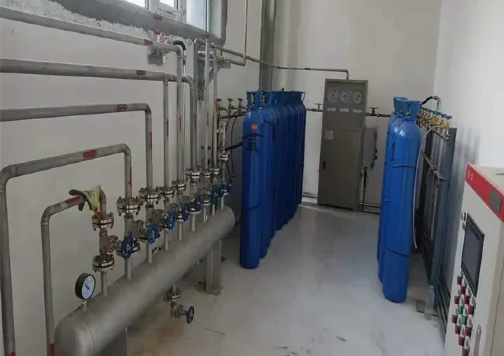
Filling gas cylinders is a meticulous and highly controlled process. Whether filling for industrial or medical applications, the procedures follow strict regulations and safety standards to ensure the safety of both the operators and the end-users of the gas.
Here’s an overview of the steps involved in the gas cylinder filling process:
Before filling a cylinder, it must be inspected to ensure it is in good condition. This inspection includes checking for:
Damage: Any visible dents, cracks, or rust that could compromise the integrity of the cylinder.
Valve condition: The valve must be checked to ensure it is functioning properly and sealed.
Pressure testing: Cylinders are pressure-tested to make sure they can withstand the pressures they will be subjected to during filling.
Once inspected, cylinders are cleaned and purified to remove any contaminants, especially in the case of medical oxygen cylinders, where purity is paramount.
The filling process involves compressing the gas into the cylinder. This is typically done using a compressor that pushes gas through a filtration system to remove moisture, particles, and other impurities. In an industrial setting, the gas may be compressed to different pressures, depending on the intended use. Medical oxygen, for instance, is typically filled to a pressure of around 2,200 psi (pounds per square inch), while industrial gases may be filled at higher or lower pressures depending on the specific needs.
The filling station is equipped with a high-pressure filling system, which ensures that gas is safely injected into the cylinder. The process is monitored to ensure the proper amount of gas is added and that the pressure inside the cylinder remains within safe limits.
In the case of medical oxygen, ensuring the gas is of the highest purity is critical. Medical-grade oxygen must meet strict quality standards set by health authorities, typically having a purity level of 99.5% or higher. Specialized filtration systems and sensors are used in gas cylinder filling stations to ensure the gas meets these stringent standards.
Industrial gases do not require the same level of purity but must still meet relevant quality specifications for their intended use. For example, oxygen for welding may have lower purity requirements than medical oxygen, but the gas must still be free from contaminants like hydrocarbons and moisture.
Once the cylinder is filled, it is sealed with a cap or valve to prevent gas leakage. It is then labeled with the appropriate information, including:
The type of gas.
The pressure rating.
The date of filling.
Safety warnings or handling instructions.
For medical oxygen, special labeling may include patient use instructions and storage recommendations.
After the cylinders are filled and sealed, they are stored in secure areas, where they are carefully managed to ensure safety. Gas cylinders are often stored in ventilated, fire-safe environments to avoid any risk of accidental leaks or explosions.
Once the cylinders are ready for use, they are transported to hospitals, clinics, or industrial sites, using specially designed vehicles to ensure safety during transit.
The handling and filling of gas cylinders require stringent safety protocols due to the high pressures involved and the potential hazards associated with gases. Below are some key safety measures implemented in gas cylinder filling stations:
Proper Ventilation: Filling stations must be well-ventilated to prevent the accumulation of hazardous gases. In some cases, gas cylinders may release trace amounts of gas during the filling process, so adequate ventilation is crucial.
Temperature Control: Gas cylinders should be filled within a specific temperature range. Extreme temperatures (either too hot or too cold) can affect the pressure inside the cylinders, making them unsafe.
Leak Detection: Gas cylinders and valves are checked regularly for any leaks. Special leak-detection equipment is used to ensure that there is no gas escape during filling or storage.
Emergency Protocols: Gas filling stations are equipped with emergency protocols, including fire extinguishers, spill containment systems, and evacuation procedures. Operators are trained to handle emergencies such as gas leaks or fires safely.
Pressure Relief Systems: All cylinders are fitted with pressure relief valves to prevent over-pressurization, which can lead to dangerous ruptures.
Labeling and Storage: Correct labeling of cylinders helps in identifying gases, ensuring they are stored safely and used appropriately.
Gas cylinder filling stations handle both industrial and medical oxygen, but the handling, filling processes, and purity requirements vary significantly.
Industrial Oxygen: This type of oxygen is used in industries like steelmaking, welding, and cutting. While purity requirements are still high, they are not as stringent as medical oxygen. Industrial oxygen typically contains at least 99.5% oxygen, with the remaining percentage composed of trace gases.
Medical Oxygen: Medical oxygen must be high-purity, typically 99.5% or higher. It is used in hospitals, emergency medical services, and homecare for patients with respiratory conditions. Since medical oxygen is directly related to patient health, it is filled in specialized cylinders and must meet strict health and safety standards.
Gas cylinder filling stations are critical facilities that ensure the safe, efficient, and reliable supply of gases such as oxygen to industries and healthcare sectors. By following strict safety protocols and maintaining high standards for gas purity, these stations ensure that industrial applications run smoothly and that patients receive the oxygen they need to thrive.
From industrial oxygen used in heavy industries to medical oxygen needed in hospitals, gas cylinder filling stations play a central role in supporting modern operations. Understanding the process, the types of gases involved, and the safety measures ensures that these stations operate effectively, helping industries and healthcare facilities maintain their operations and deliver essential services.


