

Views: 0 Author: Site Editor Publish Time: 2025-11-06 Origin: Site


In an era where industrial efficiency, public health resilience, and environmental responsibility are paramount, oxygen plants have emerged as indispensable facilities that sustain modern society. These plants—ranging from compact on-site units for hospitals to large-scale industrial installations—convert atmospheric air into high-purity oxygen, supporting critical processes in manufacturing, energy production, healthcare, and environmental management. By employing advanced separation technologies such as Pressure Swing Adsorption (PSA), Vacuum PSA (VPSA), or cryogenic distillation, oxygen plants ensure a reliable, continuous supply of oxygen. This consistent availability not only enhances industrial productivity but also underpins life-saving medical applications, making oxygen plants a cornerstone of modern infrastructure and economic resilience.
An oxygen plant is a facility designed to extract and purify oxygen from ambient air. The process relies on advanced separation technologies such as Pressure Swing Adsorption (PSA), Vacuum Pressure Swing Adsorption (VPSA), or cryogenic distillation, depending on the desired purity level and production capacity.
In simple terms, air—composed of roughly 78% nitrogen and 21% oxygen—is compressed and processed to separate oxygen molecules from nitrogen and other gases. The resulting oxygen can then be stored in cylinders, piped directly to end users, or liquefied for large-scale transportation.
Common Oxygen Generation Technologies
PSA (Pressure Swing Adsorption):
Ideal for small to medium facilities, PSA technology uses molecular sieves to selectively adsorb nitrogen under pressure, producing oxygen with purities up to 95%.
Cryogenic Distillation:
Used in large industrial oxygen plants, this method cools air to extremely low temperatures until it liquefies, then separates gases based on their boiling points. The process can yield oxygen with a purity of 99.5% or higher.
VPSA (Vacuum PSA):
A more energy-efficient variant of PSA, VPSA systems use vacuum pressure for desorption, reducing power consumption and operating costs.
Oxygen is a critical component in steelmaking and metallurgical processes, where its use directly impacts product quality and operational efficiency. In Basic Oxygen Furnaces (BOF), oxygen facilitates the removal of carbon and other impurities, accelerating combustion and improving the structural properties of steel. By deploying on-site oxygen plants, steel manufacturers can maintain a continuous and reliable oxygen supply, reducing reliance on external deliveries and minimizing production interruptions. Similarly, oxygen-enriched combustion in metal smelting enhances energy efficiency, lowers fuel consumption, and improves overall thermal stability, translating into higher throughput and reduced environmental impact. These advantages underscore why oxygen plants are not merely auxiliary equipment but a strategic investment for industrial excellence.
Energy production is another major sector where oxygen plants have become essential.
In thermal power plants, oxygen-enriched combustion significantly improves fuel efficiency and reduces carbon emissions. When used in combination with carbon capture systems, this technology helps create cleaner energy solutions.
Oxygen supports coal gasification and biomass-to-energy projects, where it promotes complete combustion and efficient synthesis gas (syngas) generation. This technology enables the conversion of waste into valuable energy resources.
Oxygen plants complement hydrogen generation facilities, particularly those using electrolysis or steam methane reforming (SMR). The oxygen byproduct can be reused within the plant or sold for industrial and medical applications, improving overall process economics.
While industries depend on oxygen for production, public health systems rely on it for survival. Oxygen is a life-sustaining gas—critical in hospitals, emergency response systems, and home healthcare.
Medical-grade oxygen supports respiratory therapy, anesthesia, and intensive care. It is vital for treating patients suffering from hypoxemia, chronic obstructive pulmonary disease (COPD), pneumonia, and during surgical procedures.
Modern medical oxygen plants, often based on PSA or VPSA technology, allow hospitals to generate oxygen on-site. This eliminates the risks and costs associated with cylinder deliveries while ensuring a continuous, uninterrupted oxygen supply.
During crises such as the COVID-19 pandemic, oxygen shortages highlighted the importance of local oxygen production. On-site oxygen plants enabled hospitals and field clinics to maintain stable supplies even when global logistics were disrupted.
In developing or remote regions, establishing small-scale oxygen plants provides sustainable access to medical oxygen where central distribution networks are unavailable. This capability directly saves lives by ensuring critical care access in under-resourced communities.
With the rise of home-based medical care, portable oxygen concentrators—miniaturized forms of oxygen plants—support patients with chronic respiratory diseases. These systems improve mobility, independence, and quality of life.
Oxygen plants not only serve human and industrial needs but also contribute to environmental sustainability and safety improvements.
Using oxygen-enriched air leads to more complete combustion, reducing the emission of nitrogen oxides (NOx), carbon monoxide (CO), and unburned hydrocarbons. In waste incineration, it minimizes toxic gas output and improves overall energy recovery efficiency.
Oxygen is essential for aerobic bacteria that break down organic waste in municipal and industrial wastewater. Oxygen plants help maintain the optimal oxygen levels required for these biological processes, promoting cleaner water discharge and reduced environmental contamination.
In safety equipment manufacturing, controlled oxygen levels are critical for fire suppression systems and emergency life-support applications. Oxygen plants ensure consistent and pure oxygen for such specialized uses.
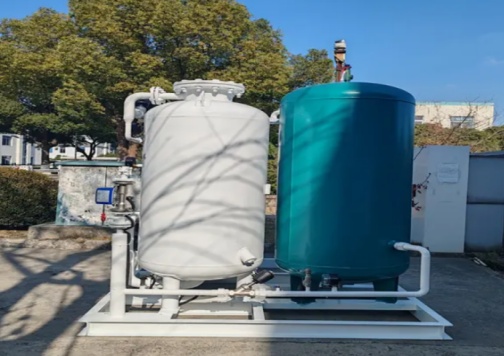
Depending on external suppliers for oxygen cylinders or liquid oxygen deliveries can be risky—especially during high-demand periods or logistical disruptions. Installing an on-site oxygen plant ensures consistent supply, making operations more resilient.
Producing oxygen locally significantly reduces transportation, storage, and handling costs. Although the initial investment may be higher, the operational savings and reliability quickly offset setup expenses.
Oxygen plants can be customized to meet specific demand profiles—from small hospitals requiring a few cubic meters per hour to massive industrial sites producing thousands of cubic meters daily. Modular designs allow easy capacity expansion as needs grow.
Countries investing in domestic oxygen production enhance both industrial self-sufficiency and healthcare preparedness. It’s a strategic asset that strengthens national resilience against emergencies, pandemics, or supply chain disruptions.
The past decade has seen major innovations improving oxygen plant efficiency, sustainability, and automation.
Modern PSA and VPSA plants feature advanced adsorbent materials, smart valves, and optimized cycle control, reducing power consumption by up to 30%. Cryogenic plants now use heat exchangers and turbo-expanders with higher thermodynamic efficiency.
IoT (Internet of Things) integration enables operators to monitor purity levels, pressure, and performance remotely. Predictive maintenance systems can detect early signs of malfunction, minimizing downtime.
Containerized oxygen plants are gaining popularity. These plug-and-play units are easy to install, relocate, and maintain—ideal for hospitals, mining camps, and remote industrial projects.
Some next-generation oxygen plants integrate renewable energy sources such as solar or wind, reducing dependence on fossil fuels and lowering operational carbon footprints.
The COVID-19 crisis underscored the indispensable role of oxygen plants in public health infrastructure. Hospitals worldwide faced surging oxygen demand for ventilator support and critical care. Nations that had invested in decentralized, on-site oxygen generation systems were better equipped to manage patient loads.
Portable oxygen generators, PSA-based medical plants, and cryogenic facilities all contributed to stabilizing medical supply chains. This global lesson emphasized that oxygen production capacity is not merely industrial—it’s humanitarian.
With increasing demand across industries, the global oxygen plant market is projected to expand steadily over the next decade. Growth will be driven by:
Rising steel and chemical production
Healthcare infrastructure expansion
Green energy and carbon capture initiatives
Environmental and wastewater treatment needs
Future designs will likely focus on low-energy operation, automation, and sustainability, aligning with the world’s transition toward cleaner and more efficient industrial ecosystems.
From powering industrial furnaces to sustaining critical healthcare systems, oxygen plants serve as a backbone of modern civilization. Their ability to provide high-purity oxygen reliably and efficiently supports industrial productivity, public health, and environmental stewardship. As technology advances, modern oxygen generation systems—including high-efficiency PSA, VPSA, and cryogenic plants—offer enhanced energy efficiency, automation, and sustainability, ensuring that industries and communities alike can thrive. For businesses or institutions considering investment in oxygen production, partnering with an experienced manufacturer like Guangzhou Minwen Cryogenic Equipment Co., Ltd. ensures access to reliable, tailored solutions that meet international standards of safety, efficiency, and performance. By implementing advanced oxygen generation systems, organizations can secure long-term operational reliability, optimize production processes, and contribute to sustainable development goals worldwide.


