

Views: 0 Author: Site Editor Publish Time: 2025-11-18 Origin: Site


In metal fabrication, cutting and welding operations are at the heart of manufacturing everything from ship hulls and automotive frames to structural steel and piping. Among the many technologies powering those operations, the supply of high-purity industrial oxygen plays a pivotal — yet often under-appreciated — role. An oxygen plant is the system or facility that generates or supplies oxygen in large quantities for industrial use. In metal-cutting and welding contexts, the availability, purity, and pressure of oxygen from such plants directly affect performance, cost efficiency, safety, and product quality.
An oxygen plant is an industrial system designed to separate oxygen from ambient air (or other source) and deliver it in gaseous (or sometimes liquid) form at required pressures and purities. According to general engineering sources, oxygen plants may use cryogenic separation, pressure swing adsorption (PSA) or membrane separation technologies to deliver oxygen.
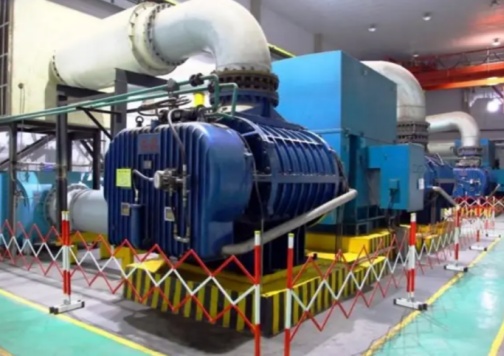
In practice, for metal-cutting and welding applications, the oxygen delivered is typically at high purity (often 90% + for some cutting operations) and supplied either in cylinders, bulk liquid, or via an on-site oxygen generation plant. The plant might consist of compressors, filter units, separation modules, storage tanks (in the case of liquid oxygen), pressure regulation systems, and distribution piping.
The key benefits of having an on-site oxygen plant include:
Steady and reliable supply of oxygen at required purity and pressure
Reduced dependency on external cylinder deliveries (logistics, cost)
Potential for cost savings in large-volume operations
Better control of quality, safety, and integration into production workflows
Given the high flame temperatures, rapid reaction rates, and process demands in welding and cutting operations, a robust oxygen-plant infrastructure is often a critical enabler for productivity.
Metal cutting and welding operations rely on the availability of oxygen for a number of reasons:
In oxy-fuel cutting (also known as oxy-acetylene or oxy-fuel cutting) a flame is created by burning a fuel (such as acetylene, propane, or other gas) in a stream of pure oxygen rather than regular air. The reason is simple: when pure oxygen is used instead of compressed air, the flame temperature rises significantly because nitrogen (which makes up ~78% of air) is removed and combustion reactions operate more efficiently.
For example, in plate cutting, an oxygen jet after preheating the steel helps oxidize the hot metal, burning it away and creating a kerf (cut) through the workpiece. The effectiveness of this process depends on both fuel and oxygen supply.
Using a higher-purity oxygen supply via an oxygen plant allows for higher flame velocities, more consistent results, less slag, and faster throughput. Some metal fabricators rely on oxygen-enriched environments or high-pressure oxygen feeds to improve productivity, especially in heavy-duty industrial operations. For instance, cutting thick steel plates (many inches thick) may be impractical without a reliable high-pressure oxygen supply.
Beyond cutting, oxygen plays roles in welding (especially gas-welding processes), flame cleaning, flame straightening of metal structures, and flame hardening. As noted in metallurgical studies, oxygen is used in gas-flame operations such as welding, brazing, and cutting, precisely because its high oxidizing power supports elevated flame temperatures and efficient metal-processing operations.
Having an on-site oxygen plant ensures consistent supply, which in turn reduces downtime (waiting for cylinder deliveries, etc), reduces variable gas-supply cost per unit of oxygen delivered, and allows integration of oxygen supply cost into production planning. Lower-cost oxygen and improved process stability translate into better productivity and thinner margins.
When integrating an oxygen plant into a metal-cutting or welding workshop, several components and design considerations come into play:
Ambient air contains moisture, particulate matter, and impurities which must be removed before oxygen separation. The air-intake section typically includes filters, dryers, and compressors.
Depending on required purity, output volume, and cost constraints, oxygen plants may use:
PSA (Pressure Swing Adsorption) systems: effective for producing ~90-95% purity oxygen in moderate volumes.
Cryogenic separation: suitable for very high volumes or when producing liquid oxygen; albeit with higher capital costs.
Membrane systems: lower purity (30-45%) but very low cost for non-critical operations.
If the oxygen plant produces liquid oxygen (LOX), storage tanks with vacuum-insulated vessels, vaporizers, and pressure control systems are needed.
A network of piping or cylinder manifold ensures supply to cutting torches, welding stations, flame-straightening stations, or other oxygen-consuming processes. Pressure regulators, safety valves, flow meters, and gas-detection systems are key for safe operation.
Automation and control systems monitor flow, pressure, purity, and safety alarms. Since oxygen is an oxidizer, stringent safety design is required: compatible materials, avoidance of organic contamination, correct purge procedures, and fire protection.
For fabrication shops and heavy industry, the integration of an oxygen plant influences workflows, equipment selection, quality control, and safety protocols.
Selecting torches, burners, or cutting heads must align with the oxygen-supply pressure and purity from the plant. For example, heavy plate cutting may need oxygen at higher pressure and flow than typical welding stations.
Use pre-heating flames followed by oxy-jet for cutting thicker metals. In welding, high-purity oxygen can reduce flux or slag, improve penetration, and accelerate throughput.
Oxy-fuel cutting is still widely used for thick ferrous steels due to ability to cut up to 24 inches as noted.
High-volume oxygen supply increases risk of fire or rapid combustion if leaks occur. Proper ventilation, oxygen detectors, and emergency isolation systems are vital.
An oxygen plant must be maintained: filters changed, compressors checked, valves and sensors inspected, piping flushed. Unexpected shutdown of oxygen supply can halt operations and cause cost fallout.
The cost of oxygen supply includes capital cost of plant, energy consumption (compression, cryogenic), maintenance, and distribution. Fabricators should analyse cost per unit of effective oxygen delivered vs. cylinder rental or delivered gas. A properly sized on-site plant often pays back over year(s) of high-volume use.
Relying on external oxygen suppliers or cylinders introduces risks such as delivery delays, supply shortages, and fluctuating prices. For operations that run around the clock, any interruption in oxygen supply can halt production, leading to costly downtime. An in-house oxygen plant eliminates these dependencies by providing a continuous and reliable oxygen source. Fabricators can plan their production schedules with confidence, knowing that the plant can deliver the required volume and pressure on demand. This consistent availability ensures that critical cutting and welding processes are never interrupted.
Having immediate access to oxygen at the correct pressure and purity allows cutting and welding operations to maintain optimal performance. High-speed cutting becomes more efficient, weld penetration is deeper and more uniform, and defects such as slag or incomplete cuts are minimized. As a result, throughput increases while the overall quality of the finished product improves. Workers can rely on consistent flame characteristics, which is particularly important for precision cutting of thick steel plates or complex welding projects.
Producing oxygen on-site reduces or eliminates the need to purchase cylinders, which carry rental fees and delivery costs. Over time, bulk oxygen generation lowers the cost per cubic meter significantly, especially in high-volume operations.
Modern oxygen plants can integrate energy-efficient compressors, automated control systems, and waste-heat recovery mechanisms. This not only reduces operational costs but also aligns with sustainability goals by minimizing energy consumption and environmental impact.
In metal-cutting and welding operations, an oxygen plant is far more than a gas supply—it is a strategic asset that impacts speed, quality, cost and safety. From enabling high-temperature flames and efficient cutting to supporting deep weld penetration and reliable fabrication throughput, the quality and availability of oxygen make a tangible difference in industrial success.
For manufacturers, shipyards, steel-fab shops or any facility engaged in heavy cutting/welding work, investing in the right oxygen-generation infrastructure is a key business decision. If you are exploring or planning an on-site oxygen plant to support your cutting and welding operations, consider partnering with experienced providers. Guangzhou Minwen Cryogenic Equipment Co., Ltd. is one such company offering advanced oxygen-plant solutions tailored to industrial metal-processing environments. They provide design, installation and support for on-site oxygen generation, helping operators optimize their oxygen supply, reduce cost and improve operational reliability.
Feel free to contact Guangzhou Minwen Cryogenic Equipment Co., Ltd. for more information and to explore how an oxygen plant might benefit your metal-cutting and welding operation.


