

Views: 0 Author: Site Editor Publish Time: 2025-11-15 Origin: Site


In today’s rapidly evolving energy landscape, operational efficiency and environmental sustainability are more than just goals — they’re imperatives. One of the often-overlooked pieces of that puzzle is the role of oxygen production facilities, commonly known as oxygen plants. While such plants are more frequently associated with healthcare, water treatment, or steel production, their role in the energy sector is increasingly important — from enhancing combustion efficiency in power generation to enabling carbon capture and storage (CCS) technologies. This article explores how oxygen plants integrate into energy operations, the tangible benefits, key technologies, challenges, and future trends.
An oxygen plant is essentially an industrial facility that produces oxygen (typically ≥ 90% purity) from air. The most common technology is cryogenic air separation: ambient air is cooled, liquefied and separated into its components (nitrogen, oxygen, argon, etc.). The resulting gaseous oxygen is then delivered to point-of-use or stored under pressure/cryogenic liquid for later use.
In energy sector applications, oxygen can be used for:
Oxy-fuel combustion (burning fuels with pure oxygen instead of air)
Gasification of coal, biomass or waste using oxygen to produce synthesis gas (syngas)
Flue gas treatment, activated oxygen processes or corrosion control
Carbon capture processes, where pure oxygen improves efficiency of capture or conversion
Hydrogen production and refining, where oxygen is a key reagent or end-product
Thus, an oxygen plant becomes a strategic asset in the energy chain, not just a supply facility.
Traditional power plants burn fuel with ambient air (21% oxygen). This introduces large volumes of nitrogen which dilute combustion, lower flame temperature and produce excess flue gas. By supplying high-purity oxygen from an oxygen plant, the combustion process becomes more efficient — fewer inert gases to heat, higher flame temperatures, more complete fuel burn and less heat loss. The net effect: higher thermal efficiency and lower fuel consumption.
With oxy-fuel combustion or oxygen-enriched combustion, flue gas contains much higher CO₂ concentration and fewer nitrogen oxides (NOₓ). This simplifies downstream capture and treatment, enabling easier carbon capture or recycling of exhaust gases. In coal or biomass plants, this can significantly reduce the environmental footprint and help meet stringent regulations. An onsite or dedicated oxygen plant makes that possible.
Gasification of coal, biomass or waste requires a pure oxygen stream to produce synthesis gas (a mixture of CO, H₂ and CO₂). Oxygen plants support large capacity syngas operations, helping convert low-grade fuel into high-value products while capturing emissions. As the energy sector shifts toward waste-to-energy, biomass-to-power and hydrogen economy models, oxygen plants are central enablers.
In CCS schemes, high-purity flue gas (high CO₂ concentration) is easier to capture, compress and store. Oxygen plants facilitate this by enabling oxy-fuel combustion, producing flue gas with minimized nitrogen-dilution. This reduces the size and cost of scrubbers, separators and compressors. For energy companies aiming for net-zero, installing an oxygen plant alongside a power plant or industrial unit becomes a logical step.
Oxygen plants provide stable and controlled oxygen feed compared with cylinders or external supplies. The onsite production minimizes logistics, cylinder storage hazards and downtime. For continuous operations like power generation, grid balancing or large-scale hydrogen production, reliable oxygen supply is critical.
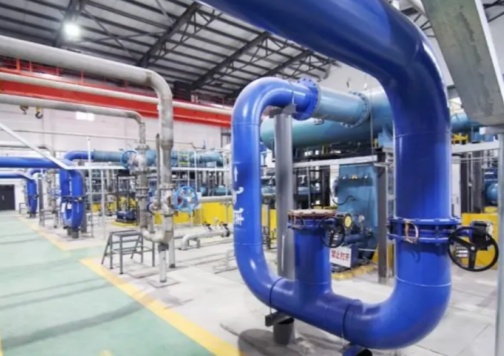
Implementing an oxygen plant in energy sector applications requires careful planning and attention to detail. Several technical factors influence both performance and return on investment.
Energy applications, particularly in power generation, gasification, or carbon capture, often demand large-capacity oxygen flows, sometimes ranging from hundreds to thousands of tons per day. The required purity of oxygen typically falls between 90–99.5%, depending on the specific application. For instance, oxy-fuel combustion and syngas production benefit from higher purity, whereas some flue gas treatment processes may tolerate slightly lower purity levels. Sizing the plant correctly involves not only meeting current operational demands but also considering peak loads, redundancy, and future expansion plans. Undersizing can limit operational flexibility, while oversizing may unnecessarily increase capital and energy costs.
Seamless integration is critical for maximizing efficiency and safety. The oxygen plant must interface effectively with boilers, gasifiers, turbines, or carbon capture units. This includes aligning control systems, piping networks, safety interlocks, and instrumentation to ensure stable operation. Thermal management and insulation play a pivotal role in reducing energy losses and preventing condensation, which could compromise purity or cause corrosion. Planning for integration at the design stage minimizes disruptions and supports smoother commissioning.
Cryogenic air separation, the most common oxygen production technology, is inherently energy-intensive. Selecting the optimal configuration—such as single train vs dual train systems, air pre-cooling methods, and energy recovery mechanisms—directly impacts operational efficiency. Since oxygen is used to enhance fuel combustion efficiency or syngas production, the overall energy gain must exceed the energy consumed in producing oxygen. This requires careful modeling and simulation during the design phase to ensure that the plant delivers net benefits in terms of both fuel savings and emissions reductions.
Working with high-purity oxygen presents increased fire and explosion risks, as oxygen accelerates combustion. Oxygen plants must comply with rigorous safety standards, including:
Using clean, hydrocarbon-free piping
Implementing proper ventilation and flame arrestors
Selecting oxygen-compatible materials that resist ignition
Training staff extensively in handling and emergency response procedures
Following these measures ensures a safe operating environment and minimizes potential hazards.
Oxygen plants require regular and proactive maintenance. This includes periodic purging of adsorbents, compressor servicing, leak detection, and performance monitoring. For energy plants operating continuously, minimizing downtime is critical, as any interruption can affect combustion efficiency, production rates, or carbon capture operations. Implementing predictive maintenance programs and monitoring key performance indicators ensures the plant operates reliably over its entire lifecycle.
Oxygen plants deliver tangible environmental and economic advantages beyond technical performance, making them a strategic investment for energy companies.
Lower Life-Cycle Emissions: By improving fuel efficiency and enabling cleaner combustion or gasification, oxygen plants reduce CO₂ and other pollutant emissions per MWh or per ton of processed material. Higher-purity flue gas also simplifies downstream carbon capture, further lowering overall emissions.
Operational Cost Savings: Efficient combustion and reduced flue gas volumes lead to lower fuel consumption, reduced wear on equipment, and less need for extensive flue gas treatment, translating into measurable savings over time.
Regulatory Compliance: Many energy companies face strict emissions regulations and must demonstrate adherence to zero-carbon or ESG goals. On-site oxygen production provides a reliable mechanism to meet these standards, avoiding penalties and enhancing operational credibility.
Brand and Stakeholder Perception: Investing in cleaner technologies signals a commitment to sustainability, which resonates with investors, regulators, employees, and the public. Demonstrating proactive environmental responsibility can improve a company’s market reputation and social license to operate.
Flexibility for Future Fuels: As the energy sector transitions toward hydrogen, ammonia, or bio-fuel production, oxygen plants become increasingly critical. They support emerging technologies and ensure that energy facilities remain adaptable to evolving fuel strategies and low-carbon initiatives.
By addressing both operational efficiency and sustainability, oxygen plants provide a strong return on investment while positioning energy companies for long-term competitiveness in a carbon-conscious world.
Large-scale oxygen plants require significant upfront investment. Energy companies should analyze ROI, consider modular installations, or partner with equipment providers offering performance guarantees.
Producing oxygen requires power. A careful balance must be maintained: the gain from using oxygen must outweigh the energy consumed. Solutions include waste-heat recovery, integration with renewable energy or use of air-separation technologies optimized for low-power operation.
Reliability is critical in continuous operations. Selection of robust equipment, rigorous maintenance programs and remote monitoring help mitigate downtime and extend plant life.
Building and operating an oxygen plant involves specialised vendors and trained operators. Early engagement with experienced equipment providers ensures that training, spare parts and service support are in place.
In the energy sector, where every percentage of efficiency boosts profitability and competitiveness, oxygen plants are valuable but often underappreciated assets. By improving combustion, enabling gasification, facilitating carbon capture and supporting future fuels, they help energy-companies operate smarter, cleaner and more resiliently.
For organisations aiming to enhance efficiency, meet sustainability goals and stay ahead in a changing energy landscape, exploring advanced oxygen plant solutions is a strategic move. If you would like to learn more about how oxygen plants can be tailored for the energy sector, you may wish to visit Guangzhou Minwen Cryogenic Equipment Co., Ltd. and explore their range of air separation systems and integrated solutions.


