

Views: 0 Author: Site Editor Publish Time: 2025-11-27 Origin: Site


In industries ranging from healthcare to manufacturing, the demand for high-quality oxygen is constant. Whether it's for medical oxygen therapy in hospitals, industrial applications in welding, or chemical processing in various plants, oxygen plays a critical role. Oxygen cylinders are essential for storing and transporting this gas, ensuring it is available when needed. The oxygen cylinder filling plant is at the heart of this process, where gas is safely filled into cylinders under high pressure for distribution and use.
Selecting the right oxygen cylinder filling plant is a key decision that affects efficiency, safety, cost, and reliability in gas supply. An optimized filling plant ensures that oxygen is filled accurately, safely, and efficiently while maintaining the highest quality standards. In this guide, we’ll walk you through the essential equipment used in an oxygen cylinder filling plant and the considerations you should keep in mind when choosing the right system for your needs.
An oxygen cylinder filling plant is a facility where oxygen gas, typically stored as a liquid or gas, is transferred into cylinders for distribution. These plants are equipped with high-tech machinery to compress and fill oxygen cylinders under controlled conditions. The process must adhere to strict quality and safety standards to ensure that the oxygen is of medical grade or meets industry-specific requirements.
There are several types of oxygen filling plants, and they vary based on the scale of operation, the intended application (medical or industrial), and the required purity of the oxygen. Typically, a filling station is part of a larger supply chain, where bulk oxygen is delivered to the filling plant and then distributed in cylinders to hospitals, clinics, factories, and other users.
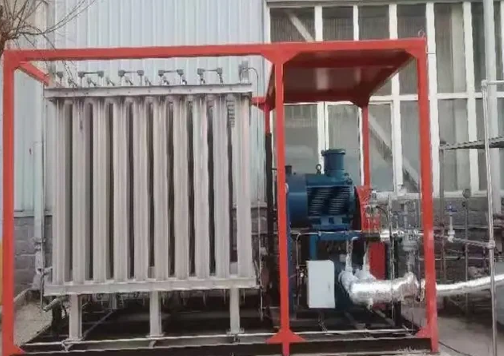
Several critical components make up an oxygen cylinder filling plant. These pieces of equipment work together to ensure the gas is compressed, purified, and transferred safely and efficiently into cylinders.
At the core of the filling plant is the oxygen storage tank, where oxygen is kept in bulk, either in liquid form or gas form. This is the first point of storage before the gas is distributed to the filling equipment. Oxygen is usually stored as a liquid under high pressure in cryogenic tanks. Liquid oxygen is more compact and efficient for storage and transportation, as it occupies less volume than gaseous oxygen.
Cryogenic tanks are typically used for bulk storage, with liquid oxygen being vaporized and transferred into the cylinders when needed.
For smaller operations or where liquid oxygen storage is not required, oxygen may be stored in high-pressure gas cylinders or gas manifolds.
When choosing an oxygen cylinder filling plant, you’ll need to consider the size and capacity of the oxygen storage tank to match the volume of gas required for your operations. It is essential that this tank is equipped with pressure control systems to manage the amount of gas and ensure it remains within safe limits.
Oxygen compressors are crucial in oxygen filling plants. Their job is to compress oxygen gas from a low-pressure state to the high pressure needed to fill the cylinders. Compressing oxygen requires precise control, as excessive pressure can cause safety hazards, including cylinder rupture.
Piston compressors, diaphragm compressors, and rotary screw compressors are commonly used in oxygen filling plants. These compressors are designed to handle the high-pressure demands of oxygen while ensuring efficient and reliable performance.
High-pressure compressors are needed for filling cylinders with medical-grade oxygen (typically around 2,200 psi).
When choosing a compressor, you must ensure it’s capable of providing sufficient flow rate and pressure for your operational needs. Additionally, it must be designed for oxygen service to prevent contamination or reactions with the compressor material.
Purification is a critical step in the oxygen filling process, particularly when filling cylinders for medical applications. Oxygen for medical use must be of 99.5% purity or higher, and any contamination can be dangerous to patients.
Purification systems are responsible for removing impurities, such as water, carbon dioxide, hydrocarbons, and dust. These systems typically include:
Molecular sieves that trap moisture and contaminants.
Activated carbon filters to absorb trace gases.
Oxygen dryers to eliminate excess moisture.
Filtration systems are essential for ensuring that the oxygen meets safety standards. For medical-grade oxygen, it's especially important that the filtration system operates continuously and effectively to ensure the purity of the gas.
When selecting a filtration system, make sure the filters and purification units are compatible with the specific oxygen requirements you need to meet—whether that’s for medical, industrial, or other specialized applications.
The cylinder filling equipment is where oxygen is transferred from the storage tanks and compressors into the gas cylinders. This process is highly regulated and requires careful monitoring.
The filling equipment typically consists of:
Filling manifolds: where cylinders are connected for the filling process.
Pressure regulation systems: These ensure that each cylinder is filled to the correct pressure. Overfilling or underfilling cylinders can lead to safety issues and affect the performance of the gas.
Filling racks or carousel systems: These allow multiple cylinders to be filled at once, increasing the throughput of the filling plant.
Filling stations should be equipped with automated controls to monitor the filling process, ensuring accurate and consistent cylinder fills. Automatic shut-off mechanisms are also essential for preventing overfilling and maintaining the correct pressure.
When selecting cylinder filling equipment, you must consider the fill speed, the number of cylinders to be filled per hour, and the type of cylinder used (size and pressure rating). Additionally, ensure that the equipment is compatible with your storage and purification systems.
Given that oxygen is a highly reactive gas, safety systems are an integral part of any oxygen cylinder filling plant. The equipment and processes used in the filling station must be designed to handle the risks associated with oxygen filling, particularly fire and explosion hazards.
Key safety systems include:
Pressure relief valves to prevent over-pressurization of cylinders.
Fire suppression systems to quickly detect and extinguish fires if they occur.
Leak detection systems to monitor for potential gas leaks.
Ventilation systems to prevent the accumulation of excess oxygen in the air.
Continuous monitoring of gas pressure, temperature, and oxygen purity is essential to ensure safety during operation. Many modern filling stations are equipped with automated monitoring systems that track these parameters and alert operators to any issues before they become critical.
Once the cylinders are filled, they must be safely handled, stored, and transported. Cylinder handling equipment includes:
Cylinders racks and trolleys for moving filled cylinders.
Storage systems for properly organizing filled cylinders based on gas type, pressure, and urgency.
Storage areas for filled cylinders should be well-ventilated, fire-resistant, and clearly labeled. Cylinders should be stored in a safe position to prevent tipping or damage, and safety signs and warning labels should be prominently displayed to indicate the contents and hazards of each cylinder.
Choosing the right filling plant is crucial to ensuring that your gas supply chain runs smoothly. Here are some factors to consider when selecting an oxygen cylinder filling plant:
Gas demand: Estimate the volume of oxygen you will need to fill and the number of cylinders you will be handling. This will help you determine the capacity of the filling station, the storage requirements, and the number of compressors needed.
Flexibility: Consider whether the plant is scalable to handle future demand increases or different types of gas filling.
If you are filling medical oxygen, it must meet strict purity standards. For industrial oxygen, the purity standards may be lower, but they still need to meet the required specifications for each industry.
Ensure the plant is compliant with local safety regulations, including proper handling of high-pressure gases, fire prevention systems, and emergency response protocols. Safety certifications for filling systems and storage tanks should also be checked.
The level of automation in the plant can significantly impact efficiency and consistency. Modern plants often use automated control systems to monitor pressure, fill levels, and gas purity, ensuring accurate and efficient filling while minimizing human error.
Regular maintenance is necessary to ensure that equipment runs efficiently and safely. Check the availability of technical support and training for operators to ensure they can maintain and troubleshoot the system.
An efficient oxygen cylinder filling plant is essential for ensuring a steady and reliable supply of medical and industrial gases. From the oxygen storage tank to the filling manifold, each piece of equipment plays a crucial role in ensuring that the oxygen is filled safely, efficiently, and at the correct purity levels.
When choosing the right filling plant, consider factors like capacity, purity requirements, safety protocols, and automation. By investing in the right equipment and maintaining rigorous safety and operational standards, businesses can optimize their gas supply chain, reduce costs, and ensure that they always have the gas they need to keep operations running smoothly.
For businesses seeking high-quality and reliable solutions for their gas filling operations, Guangzhou Minwen Cryogenic Equipment Co., Ltd. offers cutting-edge equipment and systems designed to meet the needs of industrial and medical gas supply chains.


