

Views: 0 Author: Site Editor Publish Time: 2025-11-26 Origin: Site


In today’s industrial landscape, gases like oxygen, nitrogen, and argon are crucial components for a variety of processes across industries such as manufacturing, welding, chemical production, and food packaging. These gases are typically supplied in high-pressure cylinders, and the operation of filling these cylinders efficiently is key to maintaining a smooth, continuous supply chain. The cylinder filling station is a critical part of this process, ensuring that industrial gases are available in the right quantities, with the right quality, and at the right time.
In this article, we will explore the importance of having an efficient cylinder filling station, the components involved in setting up and operating a filling station, and the safety protocols necessary to ensure smooth operations. Whether you're involved in industrial production, welding, or any other sector that uses industrial gases, understanding the role of the cylinder filling station can significantly enhance the reliability and cost-effectiveness of your gas supply chain.
A cylinder filling station is a facility where industrial gases are stored and compressed into cylinders for distribution to businesses, manufacturers, and other users. These gases include commonly used ones like oxygen, nitrogen, argon, carbon dioxide, and acetylene, each of which serves various industrial applications.
The filling process typically involves transferring gases from bulk storage tanks (which may contain the gas in a liquid or vaporized state) into high-pressure cylinders. These cylinders are then transported to end users where they are used for manufacturing, cutting, welding, cooling, and other critical processes.
A filling station is not just about pumping gas into cylinders. It includes complex systems for gas storage, compression, purification, monitoring, and distribution. The equipment and procedures involved must meet high safety and quality standards to ensure that the gases are free from contaminants, stored at the correct pressure, and ready for use.
An industrial gas filling station is integral to maintaining an uninterrupted and reliable supply of gases. Let’s look at how an efficient filling station can impact your operations:
A well-functioning cylinder filling station ensures that industrial gas users have a steady supply of gases whenever they need them. This is especially crucial for industries that rely on continuous processes, such as manufacturing, welding, and chemical production. A filling station equipped with sufficient storage and filling capacity can help avoid shortages or delays in gas supply, keeping operations running smoothly and minimizing downtime.
When industrial gas users rely on third-party suppliers to fill their cylinders, they may incur extra costs in the form of delivery charges, cylinder rentals, and handling fees. By having an in-house cylinder filling station, businesses can significantly reduce the cost of gas procurement. Filling cylinders on-site eliminates the need for external delivery, and allows businesses to better manage their gas usage, reducing waste and improving overall cost efficiency.
An in-house cylinder filling station offers flexibility in terms of gas volume, fill pressure, and cylinder type. For example, if your operation requires a mix of different gases, the filling station can be designed to handle various gases simultaneously. It also allows you to fill cylinders according to your exact specifications, whether that’s a specific pressure, gas mixture, or cylinder size, optimizing gas delivery based on operational needs.
Gas cylinders are pressurized containers, and filling them requires strict safety protocols to prevent accidents, leaks, and explosions. An efficient cylinder filling station is equipped with safety features like pressure relief valves, leak detection systems, and ventilation. Additionally, the filling process is designed to prevent overfilling and ensure that cylinders are filled at safe pressures, reducing the risk of accidents in your operation.
Efficiently managing your gas supply through a dedicated filling station can reduce the environmental footprint of your operations. The ability to track and control gas usage helps prevent wastage, and having a reliable filling station ensures that gas is not lost during the transportation or refilling process. Additionally, modern filling stations are designed with energy efficiency in mind, minimizing energy consumption during the compression and storage processes.
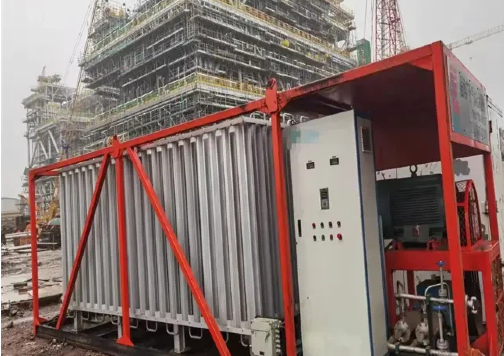
To ensure an efficient and safe gas supply, a filling station is made up of several key components:
At the heart of any filling station is the bulk gas storage system, which holds large quantities of gas in liquid or gaseous form. These bulk tanks are often located on-site and contain the gas before it is transferred into cylinders. The storage system needs to be properly insulated, and it should include pressure-regulating equipment to maintain the gas at the appropriate levels for safe storage and transfer.
Once the gas is stored, it must be compressed into the cylinders at high pressure. The compression system in a filling station uses compressors to pressurize the gas. The compressors must be carefully managed to ensure they operate efficiently, avoid over-pressurizing the cylinders, and maintain the required gas purity.
The filling manifold is a key part of the system that connects the bulk gas storage to the individual cylinders. It includes valves, pressure gauges, and flow meters to monitor and regulate the gas flow during filling. The manifold is where cylinders are connected to the filling line, and it plays a crucial role in ensuring that the cylinders are filled correctly and safely.
Industrial gases, especially medical-grade gases like oxygen, need to be free from contaminants. The purification system ensures that the gas entering the cylinders is pure and safe for use. Filtration units remove impurities like moisture, oils, or particulates, which could potentially compromise the quality of the gas and harm equipment or personnel.
Filling stations are equipped with a range of safety features to protect personnel and equipment. These include pressure relief valves, safety shut-off systems, and fire suppression systems. A well-designed filling station will also have automatic shut-off controls to stop the filling process when cylinders reach the proper pressure.
Most modern filling stations use automation and control systems that allow operators to monitor the filling process remotely. These systems provide real-time data on pressure levels, gas usage, and cylinder status. Additionally, they can alert operators to any potential issues, such as gas leaks, pressure irregularities, or system malfunctions, ensuring the station operates efficiently and safely.
To maximize the performance of your cylinder filling station, it’s important to follow best practices for operation and maintenance:
Routine inspections of the filling equipment, storage tanks, and cylinders are essential to ensure they are in good working condition. Regular maintenance helps to identify issues before they become serious problems and ensures that the filling station complies with safety regulations. Some maintenance tasks include checking pressure relief valves, cleaning filters, and testing compressors for efficiency.
It’s essential that personnel working at the cylinder filling station are trained in the safety protocols and procedures for filling, storing, and transporting gas cylinders. Regular safety drills should also be conducted to ensure that staff are prepared to handle any emergencies, such as gas leaks, overfilling incidents, or fire hazards.
To maintain the quality of the gas, ensure that only approved gas sources are used, and check the purity regularly. Gas samples should be taken from each batch to ensure that the purity meets industry standards, especially for critical applications such as medical oxygen. A filling station should also have a procedure in place for rejecting contaminated cylinders before they are filled.
Maintaining an optimal inventory of filled and unfilled cylinders is crucial for reducing stockouts and overstocking. The filling station should have a reliable inventory management system to track cylinder usage, monitor expiration dates, and ensure that cylinders are rotated efficiently. The system should also be capable of forecasting demand, allowing the station to plan ahead for large orders or spikes in usage.
Ensure that your filling station adheres to all local regulations and standards related to the storage, handling, and transportation of industrial gases. This includes compliance with fire safety standards, pressure testing regulations, and environmental standards. Regular audits and reviews should be conducted to ensure that safety practices are being followed correctly.
An efficient cylinder filling station is a vital component in the industrial gas supply chain, providing businesses with a reliable, cost-effective, and safe source of industrial gases. Whether you are in manufacturing, welding, food processing, or chemical production, having an in-house filling station can enhance operational flexibility, reduce costs, and improve safety.
By investing in modern filling equipment, ensuring compliance with safety standards, and implementing best practices in maintenance and gas quality assurance, you can enhance the performance of your gas supply operations and ensure that your business has a continuous, high-quality gas supply.
For businesses looking to enhance their gas filling operations, Guangzhou Minwen Cryogenic Equipment Co., Ltd. offers high-quality solutions for industrial gas supply, ensuring efficiency and reliability in your filling processes.


