

Views: 0 Author: Site Editor Publish Time: 2025-11-24 Origin: Site


Oxygen is one of the most essential gases in modern industries, including healthcare, manufacturing, and chemical processing. Its applications range from life-saving uses in hospitals and emergency care to critical processes in industries like steel production and welding. However, the filling and handling of oxygen cylinders, especially under high pressure, presents unique challenges and potential hazards. Safety in oxygen gas cylinder filling operations is therefore paramount to prevent accidents, ensure the integrity of the gas supply, and safeguard human health.
This article provides an in-depth look at the safety measures and best practices involved in oxygen gas cylinder filling operations. We will discuss the risks involved, the importance of proper equipment and procedures, and the key safety protocols that help minimize hazards in these critical operations.
Oxygen cylinders are used in a wide range of applications, from healthcare facilities providing oxygen therapy to industrial sectors that use oxygen for combustion, welding, and metal cutting. As oxygen is highly reactive and supports combustion, it poses a significant safety risk if not handled properly.
Filling operations are the process through which oxygen is stored under pressure in high-strength cylinders, typically made of steel or aluminum. The cylinders are designed to safely store gases at very high pressures, sometimes exceeding 2,200 psi (pounds per square inch). This process must be performed with care to avoid accidents such as cylinder rupture, fires, and exposure to hazardous gases.
Before delving into safety protocols, it’s important to understand the risks associated with oxygen gas cylinder filling operations. Oxygen itself is not flammable, but it is a highly reactive gas that supports the combustion of other materials. This characteristic can make it dangerous when combined with contaminants or improperly handled equipment.
One of the biggest risks in oxygen cylinder filling operations is the potential for oxygen enrichment. Oxygen enrichment occurs when the concentration of oxygen in a confined space becomes significantly higher than normal atmospheric levels (which is around 21%). When oxygen levels rise, materials that are normally resistant to combustion can ignite more easily and burn more fiercely. For example, fabrics, oils, and even metals can catch fire if exposed to high concentrations of oxygen.
The process of filling an oxygen cylinder involves compressing gas to very high pressures. If cylinders are overfilled, or if the filling system is not properly maintained, there is a risk of over-pressurization. This could cause the cylinder to rupture or explode, which presents significant dangers to both workers and nearby equipment.
Contaminants such as oil, grease, dust, or rust can cause dangerous reactions when they come into contact with pure oxygen. The presence of these contaminants inside the cylinder or in the filling system can lead to fires, equipment damage, and contamination of the oxygen supply, making it unsafe for medical or industrial use.
While oxygen itself is a valuable resource, its interaction with certain materials or gases can create toxic environments. For example, if oxygen mixes with hydrocarbons or other reactive chemicals, the results can be dangerous. This makes it essential to use oxygen cylinders in controlled environments and ensure that they are filled with the correct purity of oxygen.
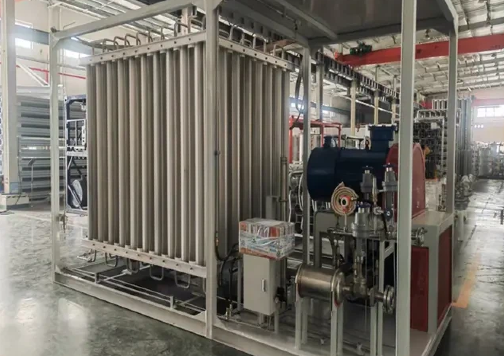
Given the inherent risks, several safety measures need to be implemented to minimize hazards during the filling process. These protocols address the filling, handling, storage, and transportation of oxygen cylinders to ensure a safe environment for workers and users.
The first line of defense in ensuring safety is proper training for the personnel involved in the filling process. Workers should be thoroughly trained in the following areas:
Handling of oxygen cylinders: How to safely lift, transport, and position cylinders.
Filling procedures: How to fill cylinders properly, including recognizing signs of over-pressurization and managing different cylinder sizes.
Emergency response: How to respond to incidents such as fires, leaks, or cylinder ruptures.
Maintenance: How to inspect, maintain, and replace equipment to prevent malfunction or wear that could compromise safety.
Regular safety drills and continuous training should be conducted to reinforce the importance of these procedures.
Cylinder inspection is critical to ensure that the cylinders are structurally sound and free from damage. Each cylinder should be thoroughly inspected before being filled. Common inspection practices include:
Visual inspection: Checking for any visible cracks, dents, or rust that could compromise the integrity of the cylinder.
Pressure testing: Periodically testing cylinders to ensure they can handle the pressures they are subjected to during filling.
Valve checks: Ensuring that the valves are in good working condition, free from corrosion or damage.
Any cylinder found to be damaged or in poor condition should be taken out of service and either repaired or replaced.
Ventilation is an essential safety measure in oxygen filling stations. Since oxygen can displace air in an enclosed space, there is a risk of oxygen-enriched environments that could lead to combustion. A well-ventilated area helps prevent the accumulation of oxygen in the filling station, reducing the risk of fire hazards.
Filling stations should have explosion-proof ventilation systems that continuously circulate air, removing any oxygen buildup and preventing the concentration of oxygen from exceeding safe levels. In addition to ventilation, filling stations should be equipped with fire detection and suppression systems to quickly identify and mitigate any fire risks.
Only equipment that is specifically designed for oxygen service should be used in filling stations. This includes:
Oxygen regulators and valves: These should be free of any lubricants (especially oils or greases), which can ignite in the presence of high oxygen concentrations.
Non-combustible materials: Tools and materials used in the filling process should be made from non-combustible materials that will not catch fire in the presence of oxygen.
Dedicated filling systems: Oxygen filling systems should be cleaned and maintained regularly to prevent contamination. Each system should be dedicated to oxygen use and not shared with other gases like acetylene or nitrogen.
Contamination is one of the most serious risks when dealing with oxygen, especially in medical applications where purity is crucial. Filling stations must have strict cleanliness standards to avoid contamination. This includes:
Oil-free compressors: Oxygen compressors must not contain oils or lubricants that could combust in high-oxygen environments.
Filtration systems: These should be in place to remove particulates, moisture, and contaminants from the oxygen supply.
Dedicated equipment: Tools and cylinders used for oxygen filling should never come into contact with hydrocarbons or other potentially reactive materials.
To further minimize contamination, personal protective equipment (PPE), such as gloves and masks, should be worn by operators when handling cylinders and filling equipment.
All oxygen cylinders should be fitted with pressure relief valves and safety relief devices to manage excess pressure and prevent dangerous situations. These valves ensure that the cylinder does not exceed safe pressure levels during the filling process.
In case of over-pressurization, these devices automatically release pressure to prevent the cylinder from rupturing. It is essential to test and maintain these safety relief systems regularly to ensure they function properly when needed.
Given the potential risks of oxygen cylinder filling operations, having a clear and well-practiced emergency response plan is critical. Key components of this plan should include:
Fire extinguishers and suppression systems: Install fire suppression systems that are specifically designed to handle fires in high-oxygen environments.
Leak detection: Ensure that leak detection systems are in place and functioning properly. Leaks in high-oxygen environments can lead to fires, so detecting them early is crucial.
Evacuation plans: Clearly marked evacuation routes and designated safe zones should be established in case of an emergency.
First aid: All personnel should be trained in basic first aid and know how to respond to burns or injuries caused by oxygen exposure.
Ensuring safety in oxygen gas cylinder filling operations is crucial not only to protect the workers handling the gas but also to ensure the safe delivery of oxygen to its intended users, whether in hospitals, industrial applications, or emergency situations. By following strict safety protocols, maintaining proper equipment, and ensuring that all personnel are properly trained, the risks associated with filling and handling oxygen cylinders can be minimized. These measures are essential in preventing accidents such as fires, explosions, and exposure to hazardous conditions.
Adhering to best practices in filling operations, proper maintenance, and regular safety checks will help guarantee the safety of operations, reduce risks, and ensure that both industrial and medical oxygen are delivered safely and efficiently.


