

Views: 0 Author: Site Editor Publish Time: 2025-09-26 Origin: Site


Tank containers are vital to global supply chains, providing a safe and efficient way to transport liquids like chemicals, oils, and food products. As industries demand higher safety, efficiency, and sustainability, tank containers are evolving to meet these needs.
Recent innovations in tank container design and technology are addressing these challenges. From advanced materials and enhanced safety features to smart technologies and energy-efficient designs, modern tank containers are becoming more sophisticated.
This article explores the latest advancements in tank container technology and how they are reshaping liquid transport in the modern supply chain.
Modern tank containers are built with lightweight, durable materials like stainless steel alloys and composite materials. These materials offer an excellent strength-to-weight ratio, enabling containers to endure the demands of storage and transport while minimizing weight. This, in turn, improves transportation efficiency.
Advanced materials like stainless steel and composites provide superior corrosion resistance, even when storing harsh chemicals. These materials prevent rust and degradation, ensuring the tank remains intact and the contents are safe from contamination. This reduces the risk of leaks and extends the container's service life.
The durability of these materials means tank containers require less frequent maintenance and repairs. They can withstand extreme conditions and heavy handling, making them more reliable over time and reducing the need for replacements or costly repairs.
Lighter tank containers reduce the overall weight, allowing more liquid to be transported per trip. This enhances storage capacity, lowers transport costs, and reduces fuel consumption, offering significant savings. Additionally, less fuel usage helps cut carbon emissions, benefiting both businesses and the environment.
Modern tank containers are equipped with advanced insulation materials, such as polyurethane foam or vacuum-insulated panels, designed to maintain stable internal temperatures. These materials are crucial for transporting temperature-sensitive liquids, such as chemicals, pharmaceuticals, or food products, preventing fluctuations that could compromise product quality.
To maintain precise temperature control, many tank containers now integrate active heating or cooling systems. These systems, which can include electric heaters, refrigeration units, or liquid-based cooling systems, help maintain the required temperature range during transport. This is especially important for products that must remain within specific thermal limits to preserve their integrity and safety.
Food Industry: Tank containers with temperature control ensure that perishable liquids like milk, juices, and oils remain fresh and uncontaminated during transport.
Chemical Industry: Active temperature regulation is essential for safely transporting chemicals that are sensitive to heat or cold, preventing degradation or hazardous reactions.
Pharmaceutical Industry: Temperature-sensitive medicines, vaccines, and biologics require precise thermal management to preserve their efficacy and shelf life during transportation.
The integration of enhanced insulation and temperature control systems not only improves the safety and quality of liquid products but also helps businesses comply with industry regulations and reduce the risk of product loss. This innovation is a significant leap toward achieving more efficient, reliable, and sustainable liquid storage and transport solutions.
Modern tank containers are equipped with pressure relief valves that regulate internal pressure during transport. These systems prevent tank rupture or explosions, especially when carrying hazardous liquids, ensuring safe transit and minimizing accident risks.
Advanced leak detection sensors identify even minor leaks early, allowing for quick intervention. Many containers also feature spill prevention measures like double-walled designs or containment trays, providing an additional layer of security.
Reinforced materials and shock-absorbing designs enhance a tank container’s resistance to impact. These features, such as reinforced corners and thicker walls, protect the container during rough transport conditions, reducing the chance of damage.
Tank containers must meet strict international safety standards, including ISO certifications and regulations like ADR for road transport and IMDG for maritime transport. This ensures compliance with global safety guidelines and secure transport of liquids.
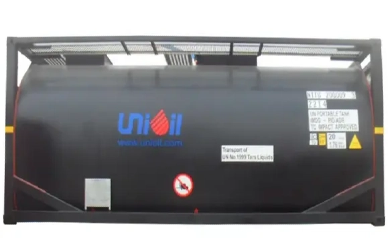
Tank containers are increasingly equipped with IoT technology for continuous monitoring of temperature, pressure, and location. Sensors enable remote tracking, ensuring that sensitive liquids are stored under optimal conditions. For example, temperature-sensitive products like chemicals or pharmaceuticals are kept within required ranges, minimizing the risk of spoilage.
IoT integration allows for real-time alerts when parameters like temperature or pressure exceed safe limits. Immediate notifications enable operators to take corrective actions quickly, reducing the risk of product damage. Additionally, real-time location tracking ensures timely deliveries and minimizes delays.
Smart sensors in tank containers enable predictive maintenance by monitoring the condition of key components, such as pressure relief valves. By detecting signs of wear or malfunction early, businesses can schedule maintenance proactively, preventing breakdowns and reducing downtime.
Smart technology improves efficiency by enabling better logistics and asset management. Businesses can track the real-time location of containers, ensuring accurate delivery times. Data collection enhances traceability, making it easier to respond quickly in case of issues like temperature deviations or leaks, improving risk management and product safety.
Tank containers are built with modular components, allowing easy customization for specific storage and transportation needs. This scalability makes them versatile for industries handling different types of liquids like chemicals, oils, or food products.
Modern tank containers feature interchangeable components (liners, valves, seals), making them adaptable for various liquids. This reduces the need for dedicated tanks for each product, saving costs and increasing operational flexibility.
Tank containers are designed to work seamlessly across different transport modes—road, rail, and sea. This modularity ensures smooth transitions within the supply chain, making it easier to move goods globally without additional modifications.
The modular design enhances flexibility in the supply chain, allowing businesses to quickly adapt to changing needs or product types. This responsiveness improves efficiency and reduces costs, benefiting companies with dynamic transportation requirements.
Modern tank containers are incorporating eco-friendly coatings and materials, such as corrosion-resistant and non-toxic finishes. These advancements reduce the environmental impact during production and throughout the container's lifecycle. By using sustainable materials, tank containers contribute to eco-conscious practices in logistics and transportation.
Energy-efficient insulation and advanced temperature control technologies, like active heating and cooling systems, are increasingly used in tank containers. These systems maintain the required temperature for sensitive liquids while consuming less energy. As a result, businesses benefit from lower energy costs and improved operational efficiency, while reducing their carbon footprint.
Tank containers' environmental innovations play a key role in sustainable logistics. By reducing energy consumption and using greener materials, tank containers help businesses meet sustainability goals. These practices also support regulations on carbon emissions, contributing to global efforts to lower environmental impact in the transport industry.
In conclusion, recent innovations in tank container design have greatly enhanced safety, efficiency, and flexibility in the modern supply chain. Advanced materials, temperature control systems, and smart technology integration have improved product quality, real-time monitoring, and risk management. Additionally, modular designs and eco-friendly features support sustainability and adaptability across various industries.
These advancements not only reduce costs but also help businesses remain competitive and compliant with international safety standards. By adopting modern tank container solutions, businesses can streamline operations, improve logistics, and contribute to a more sustainable future.


