

Views: 0 Author: Site Editor Publish Time: 2025-09-25 Origin: Site


Tank containers are vital for the safe and efficient storage of liquids in industries like chemicals, food and beverage, and fuel. These robust containers are designed to protect liquids during storage and transport, preventing spillage and contamination.
In sectors where liquid storage is crucial, tank containers ensure compliance with safety regulations and preserve product quality. As global trade expands, they offer a cost-effective and versatile solution for liquid handling.
This guide explores the key features and best practices for using tank containers, helping you choose the right option for your liquid storage needs.
Tank containers are specialized storage units designed to safely store and transport liquids over long distances. Widely used in industries like chemicals, food and beverage, and fuel, they ensure secure transport of various liquids, from hazardous chemicals to food products.
Tank containers are built to high standards and feature several key elements:
Material: Typically made from stainless steel or durable materials resistant to corrosion, these containers can safely store aggressive liquids.
Structure: Cylindrical in shape, tank containers are fitted with a frame for easy handling and stacking, designed to minimize leaks and ensure secure transport.
Insulation and Heating: Many tank containers include insulation and optional heating systems to maintain temperature-sensitive liquids like oils, chemicals, and food products.
Safety Features: Safety valves, pressure relief systems, and leak-proof seals ensure the secure transport of liquid contents.
Tank containers can store a range of liquids, such as:
Chemicals: Used in industries like pharmaceuticals and petrochemicals, they ensure the safe transport of hazardous chemicals.
Oils and Fuels: Designed for liquids like vegetable oils and fuels, many tanks feature insulation to regulate temperature.
Food and Beverages: Specialized food-grade containers are used for transporting liquids like milk, juices, and wine, maintaining product quality and hygiene.
Pharmaceuticals: Tank containers designed for pharmaceutical use meet strict hygiene and temperature control standards.
Tank containers are made from durable materials to ensure safe liquid storage. Common materials include:
Stainless Steel: Resistant to corrosion, it is ideal for storing chemicals, oils, and food-grade liquids, maintaining product quality.
Carbon Steel: Less expensive but more prone to corrosion, carbon steel is used for non-corrosive liquids like fuels. It may require additional coatings to protect the liquid.
Aluminum: Lightweight and corrosion-resistant, aluminum is used for specific applications, typically for non-hazardous liquids.
The choice of material is critical for preserving the quality of the stored liquids and preventing contamination.
The design of tank containers ensures liquid safety and operational efficiency:
Insulation: Insulation is crucial for temperature-sensitive liquids like chemicals and food products, helping maintain a stable temperature during transport or storage.
Pressure Resistance: Tank containers are designed to withstand pressure variations caused by temperature changes or liquid expansion. Features like pressure relief valves ensure the tank’s integrity.
Compatibility: Each tank is designed for specific liquids. Food-grade tanks meet hygiene standards, while chemical tanks are built to handle reactive substances. Compatibility ensures safe and effective storage.
Tank containers come in various sizes to suit different storage needs. Typically, they range from 10,000 to 40,000 liters:
Small (10,000–20,000 Liters): Ideal for smaller-scale operations or specialty chemicals and food products.
Medium (20,000–30,000 Liters): Suitable for larger quantities of oils, chemicals, or industrial liquids.
Large (30,000–40,000 Liters): Used for bulk storage and long-distance transportation of chemicals, fuels, or industrial liquids.
Choosing the right size depends on your liquid volume, space, and transport needs, ensuring efficiency and cost-effectiveness.
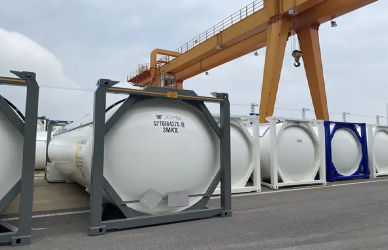
Tank containers are designed with essential safety features to protect both the liquid and handlers:
Pressure Relief Valves: These valves prevent over-pressurization by releasing excess pressure, crucial for volatile liquids.
Leak Detection Systems: Advanced systems detect leaks quickly, preventing hazardous spills and minimizing environmental risks.
Structural Strength: Built with durable materials like stainless steel and carbon steel, tank containers resist impact, corrosion, and stress, ensuring long-lasting safety.
These safety features make tank containers crucial for handling hazardous or temperature-sensitive liquids, providing peace of mind and regulatory compliance.
Tank containers streamline the storage and transport of liquids in several ways:
Bulk Transport: With tank containers, bulk liquid transport becomes more efficient, reducing the need for multiple smaller containers and cutting down logistics time.
Space Efficiency: One large tank container is more space-efficient than multiple smaller ones, optimizing storage capacity and reducing clutter.
Versatility: Suitable for a wide range of liquids, including chemicals, oils, food, and pharmaceuticals, tank containers cater to diverse industries and improve operational flexibility.
Although the initial cost may be higher, tank containers offer long-term savings:
Reduced Labor Costs: Fewer containers mean less handling, cutting labor costs and improving operational efficiency.
Lower Storage Costs: The bulk storage capacity of tank containers reduces the need for extensive storage space, saving money on warehousing.
Long-Term Durability: Designed for reuse, tank containers offer long-term value, reducing the need for frequent replacements and lowering overall costs.
Transport Savings: Bulk transport using fewer tank containers lowers fuel and vehicle maintenance costs, optimizing transportation expenses.
Temperature management is critical for sensitive liquids like chemicals, food, and pharmaceuticals:
Insulated Containers: Tank containers with insulation help maintain stable temperatures, ensuring liquids stay within their required range.
Heating/Cooling Systems: Some tanks have built-in systems to regulate temperature, preventing issues like crystallization or degradation.
Regular checks ensure containers stay safe and compliant:
Routine Inspections: Regularly inspect for leaks, corrosion, or structural damage to avoid accidents.
Cleaning: Thorough cleaning between uses prevents contamination, especially for food and chemicals.
Regulatory Compliance: Ensuring tanks meet industry standards helps avoid legal issues and ensures safe storage.
Managing risks of contamination and spoilage is vital:
Leak Detection: Tanks have pressure relief valves and sensors to detect leaks, preventing spills.
Contamination Prevention: Use certified, non-reactive materials to avoid product contamination.
Spoilage Control: Proper temperature control and tank seals help prevent spoilage, especially for perishable liquids.
Tank containers must adhere to various international standards for safe and efficient storage:
ISO (International Organization for Standardization): ISO 6346 and ISO 1496 set guidelines for the construction, design, and certification of tank containers used in transport.
ADR (European Agreement on Dangerous Goods): The ADR regulates the safe transport of hazardous materials by road, covering pressure and leak prevention standards.
IMDG (International Maritime Dangerous Goods Code): The IMDG ensures safe transport of dangerous goods by sea, detailing specifications for tank containers used in maritime transport.
For hazardous liquids, strict safety and environmental regulations are in place:
Pressure Relief & Venting: Hazardous liquids often require tanks with pressure relief valves and venting systems to prevent accidents.
Environmental Protection: Regulations ensure tank containers prevent leaks and spills, safeguarding the environment from hazardous materials.
Compliance standards vary based on the type of liquid stored or transported:
Chemicals: Chemical tanks require corrosion-resistant materials, leak-proof systems, and proper labeling.
Food & Beverage: These tanks must meet health and hygiene standards, using food-grade materials like stainless steel and regular cleaning.
Pharmaceuticals: Tanks for pharmaceuticals follow stringent GMP (Good Manufacturing Practice) standards to avoid contamination.
Selecting the right tank container for liquid storage is essential for ensuring both safety and efficiency. The design, material, and capacity of the tank container must align with the specific type of liquid being stored, whether it's chemicals, food products, or hazardous materials. A well-chosen tank container can improve operational efficiency, minimize the risk of contamination or leakage, and meet compliance standards.
Tank containers offer numerous benefits, including safety features like pressure relief valves, cost-effective bulk storage, and reliable performance in a range of conditions. They provide businesses with a robust solution for transporting and storing liquids safely, reducing long-term operational costs.
Investing in high-quality tank containers and adhering to safety regulations is crucial for businesses that require liquid storage solutions. By following proper maintenance protocols and ensuring compliance with relevant standards, companies can ensure optimal performance and reduce risks, ultimately enhancing the longevity and reliability of their storage systems.


