

Views: 0 Author: Site Editor Publish Time: 2025-11-25 Origin: Site


In healthcare settings, medical oxygen is a critical resource that supports the treatment of patients with respiratory conditions, trauma, and other medical needs. Hospitals, clinics, and emergency services depend on a steady, reliable supply of medical-grade oxygen to provide life-saving care. One of the key components in ensuring a continuous supply of medical oxygen is the oxygen filling station. This facility plays a vital role in the medical gas supply chain by safely filling, storing, and distributing medical oxygen in cylinders for use in healthcare environments.
In this article, we will explore the importance of oxygen filling stations in maintaining a reliable medical gas supply chain. We will discuss their function, the process of filling oxygen cylinders, the safety standards involved, and the role they play in ensuring that medical facilities have access to the oxygen they need. Understanding the crucial role of oxygen filling stations can help ensure that healthcare providers can offer the highest level of care to their patients.
An oxygen filling station is a specialized facility that fills high-pressure cylinders with medical-grade oxygen for distribution to healthcare providers. These stations are designed to handle oxygen at high pressure (up to 2,200 psi) and ensure that the oxygen meets the purity standards required for medical use.
The process of filling oxygen cylinders involves compressing oxygen into steel or aluminum cylinders under controlled conditions. These cylinders are then delivered to hospitals, clinics, ambulances, and other healthcare facilities, where they are used for various medical purposes, including oxygen therapy, anesthesia, and emergency resuscitation.
Oxygen filling stations are designed to operate under strict safety and regulatory guidelines to ensure the safe and efficient production, storage, and distribution of medical oxygen. The equipment used in these stations is built to meet both industry standards and the specific requirements for medical oxygen purity, which must be at least 99.5%.
The medical gas supply chain is a complex system that ensures the timely and efficient delivery of gases like oxygen, nitrous oxide, and medical air to healthcare facilities. Oxygen filling stations are essential links in this supply chain, playing a critical role in several key areas:
The primary role of the oxygen filling station is to ensure that medical-grade oxygen is readily available for healthcare providers. This is especially important for facilities like hospitals, emergency medical services (EMS), and intensive care units (ICUs), where a continuous supply of oxygen is needed to treat patients with respiratory conditions, during surgeries, or in emergency situations.
In large healthcare facilities, oxygen tanks are often used in tandem with centralized gas supply systems. These systems can distribute oxygen throughout the facility to patient rooms, operation theaters, and ICUs. Oxygen filling stations ensure that these tanks are kept full, providing a steady supply of oxygen to meet the needs of both routine and emergency medical care.
Oxygen filling stations also serve as backup suppliers during times of high demand, such as during flu seasons or health crises like the COVID-19 pandemic, when the need for medical oxygen rises dramatically.
Medical oxygen is required to meet very high purity standards to ensure it is safe for patients. Oxygen used in medical applications must have a purity of at least 99.5%, which is significantly higher than the purity required for industrial oxygen, which can be around 95% or lower.
Oxygen filling stations must adhere to stringent regulatory standards and industry best practices to ensure that the oxygen they provide is free from contaminants and meets the necessary purity requirements. This is especially important in medical environments where impurities in the oxygen supply could lead to serious health complications, including respiratory distress and lung damage.
The filling station must also ensure that the cylinders used for storing and transporting the oxygen are properly cleaned and maintained to avoid contamination. Any trace of oil, grease, or other contaminants could lead to dangerous chemical reactions when exposed to high-pressure oxygen, potentially causing a fire or explosion.
Safety is a top priority for oxygen filling stations due to the high-pressure nature of the gases involved. Oxygen is highly reactive, and in certain concentrations, it can support combustion. This makes proper handling, storage, and transport of medical oxygen critically important.
Filling stations are subject to stringent safety regulations established by agencies like the Occupational Safety and Health Administration (OSHA), the National Fire Protection Association (NFPA), and local health and safety authorities. Some of the key safety standards include:
Pressure management: Ensuring that cylinders are not overfilled and that safety relief valves are in place to prevent over-pressurization.
Fire safety: Filling stations must have fire suppression systems in place to prevent or control fires in the event of an oxygen leak.
Cylinder inspection and maintenance: Oxygen cylinders must be regularly inspected for signs of damage, corrosion, or leaks, and should be replaced if they are deemed unsafe.
Ventilation: Oxygen filling stations must be well-ventilated to prevent the buildup of oxygen in the air, which could increase the risk of fire hazards.
Regular safety audits, maintenance checks, and safety training for personnel are essential parts of the filling station’s operations to prevent accidents.
In emergencies, oxygen is one of the most critical resources needed to stabilize patients. Oxygen filling stations play a vital role in ensuring that healthcare providers can access a quick and reliable supply of oxygen during critical moments. This includes not only hospitals but also emergency medical services (EMS), ambulance services, and disaster relief organizations.
In the event of natural disasters, pandemics, or mass casualty incidents, the demand for medical oxygen may surge rapidly. Oxygen filling stations must be prepared to handle such spikes in demand by maintaining a large inventory of filled cylinders and having contingency plans in place to deliver oxygen quickly to where it is needed most.
Oxygen filling stations also help improve the cost-effectiveness of gas supply by ensuring that cylinders are filled correctly and distributed efficiently. By centralizing the production and distribution of medical oxygen, filling stations reduce the need for healthcare facilities to independently manage their own oxygen supply, which can be costly and time-consuming.
Moreover, filling stations help maintain an inventory control system, ensuring that hospitals and clinics have enough oxygen to meet their needs without overstocking or understocking. Proper inventory management helps avoid waste and ensures that expired or old cylinders are replaced in a timely manner, reducing the risk of using outdated or contaminated supplies.
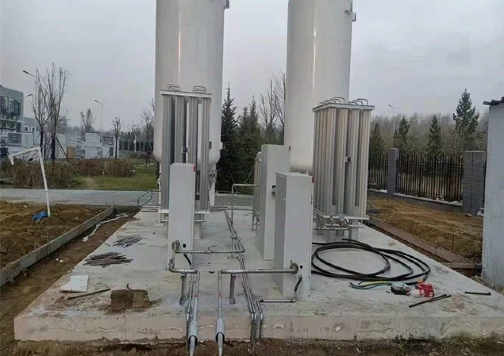
The process of filling oxygen cylinders is complex and requires a precise sequence of steps to ensure safety, purity, and accuracy. Here’s an overview of the typical process involved in filling oxygen cylinders at a filling station:
Cylinder Inspection: Before filling, each cylinder is inspected for damage or wear. The cylinder’s valve, seals, and pressure relief mechanisms are checked to ensure they are functioning correctly.
Purification of Oxygen: The oxygen is drawn from a large liquid oxygen storage tank or produced onsite using oxygen generation systems. Before filling the cylinders, the oxygen is purified and filtered to meet the necessary medical grade specifications.
Compression: The purified oxygen is then compressed into the cylinder under controlled conditions. The gas is carefully introduced to ensure the pressure does not exceed safe limits.
Cylinder Filling: The cylinder is filled to the required pressure, typically around 2,200 psi for medical oxygen. The amount of oxygen in each cylinder is closely monitored to prevent overfilling, which can be dangerous.
Quality Control and Testing: After filling, each cylinder is tested for leaks and inspected to ensure it meets the necessary purity standards. Some filling stations also perform pressure tests to check the integrity of the cylinders.
Labeling and Storage: Once the cylinders are filled and tested, they are labeled with important information such as the type of gas, the filling date, and safety instructions. The cylinders are then stored in a secure, ventilated area until they are ready for delivery.
As healthcare demands continue to grow and evolve, the role of oxygen filling stations will only become more crucial. Advancements in technology, such as improved oxygen generation systems, better tracking systems for inventory management, and enhanced safety protocols, will continue to enhance the efficiency and reliability of these facilities.
Moreover, as the global healthcare sector faces challenges such as pandemics, natural disasters, and the rising need for home healthcare services, oxygen filling stations will be essential in ensuring that medical oxygen is delivered quickly and safely to those in need.
Oxygen filling stations are a vital part of the medical gas supply chain, ensuring that hospitals, clinics, and emergency medical services have continuous access to life-saving oxygen. These stations not only provide a reliable source of oxygen for medical applications but also play a crucial role in ensuring the safety, purity, and quality of the gas. From the filling process to safety protocols, oxygen filling stations are key to maintaining the health and safety of patients who depend on medical oxygen every day.
By adhering to strict regulatory standards, maintaining robust safety procedures, and using advanced equipment, oxygen filling stations help optimize the flow of medical oxygen to healthcare providers, ensuring that oxygen is available when it is needed most. As the demand for medical oxygen continues to grow, the role of these stations in the healthcare infrastructure will remain more important than ever.


